Creatures

BEES IN MYTH AND MAGIC: Messengers Between Worlds

BEES IN MYTH AND MAGIC: Messengers Between Worlds

Long before written history, when gods still whispered through trees and rivers, there was the hum of bees. It was said their song carried messages between worlds – from the earth to the heavens – a rhythm of creation itself. People called them divine messengers, keepers of sweetness, and symbols of the soul’s immortality.

Even now, when we see a bee hovering over a flower, something ancient stirs in us – that quiet recognition of purpose, harmony, and sacred work.

The Bees of Ancient World: Carriers of Wisdom and Rebirth

In Greek mythology, bees were deeply woven into the fabric of divine stories.
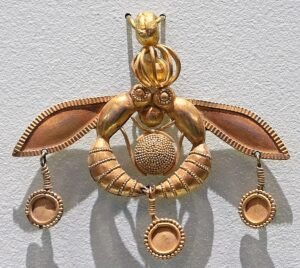
The famous Minoan Gold Bee Pendant from Crete – two bees storing honey around a sacred drop – is one of the oldest known symbols of fertility, life, and creation.

Minoan Gold Bee Pendant, Crete

Bees appear across pantheons as companions of goddesses of fertility, birth, and wisdom – from Artemis, protector of women and the wild, to Cybele, the Great Mother of all life. Their hives mirrored divine order: a matriarchal world ruled by harmony, collaboration, and the leadership of the queen bee – a symbol of female sovereignty and sacred balance.

In ancient rituals, honey was offered to the dead as ambrosia, the food of the gods, signifying immortality and spiritual transformation.
To scholars and mystics, bees represented illumination – creatures that turned sunlight into wax and flame, symbolizing the birth of knowledge through devotion and patience.

The Universal Symbolism of the Bee

Across the world, bees carried sacred meaning, always returning to the same essence – creation, community, and the sacred feminine.

1. Melissa (Greek Mythology)

When the infant Zeus was hidden away from his father Kronos in a cave on Mount Dicte, a gentle nymph named Melissa fed him honey instead of milk – the nectar of immortality. In gratitude, Zeus transformed her into a bee, forever linking her to the rhythms of nourishment, devotion, and sacred service. Her name was later given to all the the priestesses of Demeter, goddess of fertility and the harvest, who were called Melissae. Through them, the bee became a living emblem of sacred femininity, purity, and service to the divine. Bees like the priestesses, were seen as channels between the human and the holy – between creation and renewal.

2. The Egyptian Bee (Symbol of Lower Egypt)

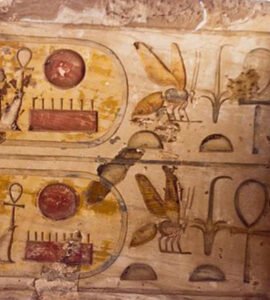
In ancient Egypt, the bee was a powerful symbol of Lower Egypt, embodying life, death, and resurrection. The sun god Ra, Egypt’s most revered deity, was said to shed tears that, upon touching the desert sands, transformed into honeybees – tireless workers and bringers of sweetness.

The Egyptians were also pioneers in beekeeping, crafting the first artificial hives to harvest honey. Hieroglyphs often show honeybees in reverence to Ra, honouring these tiny messengers and the golden treasure they produce – a sacred gift from the sun itself.

3. The Catholic Bee (Symbol of Resurrection and the Virgin Mary)

In Catholic tradition, the bee embodies diligence, purity, and divine order. The hive mirrors the Church itself – each bee working in harmony for a higher purpose, united under a Queen as believers under Mary, the Virgin Mother.

Because worker bees do not reproduce, they became symbols of virginity and devotion, while honey represents spiritual sweetness and divine wisdom. Early Christians carved beehives on tombs as signs of resurrection and eternal life.

Even the wax of church candles carries sacred meaning – the flesh of Christ, the wick His soul, the flame His divinity – transforming the bee’s humble labor into a living light of faith.

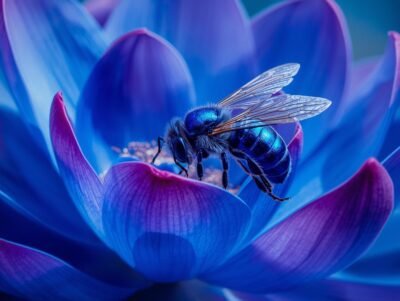
4. The Hindu Blue Bee (Vishnu, Krishna & Bhrāmarī Devi)

In Hindu mythology, bees symbolize life, rebirth, and divine harmony. The gods Vishnu and Krishna are often called Madhava, meaning “born of honey.”

The hum of bees was said to be the song of Kāma, the god of love, whose bow was strung with bees and whose arrows stirred desire and awakening. Their buzzing became a symbol of longing, tenderness, and the pulse of creation.

The Goddess Bhrāmarī Devi, an incarnation of the Great Mother Shakti, embodies the bee’s sacred power. Surrounded by swarms of black bees, she represents the feminine force that nurtures, protects, and restores balance – the hum of life itself made divine.

5. The Napoleonic Bee

napoleonic bee gold

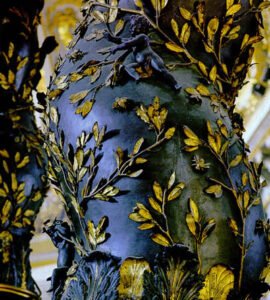
In the 19th century, Napoleon chose the bee as his emblem – a symbol of industriousness, vigilance, and order. Its association with hard work and the production of honey made it a fitting metaphor for diligence, benevolence, and grace. The bee also carried Christian connotations, representing the Church, eloquence, and divine virtue, as seen in the devotion of saints like St. Ambrose. Napoleon adorned everything from snuff boxes to his coronation robe with gilded bees, embracing their symbolism of zeal, productivity, and sweet authority – a tiny yet powerful emblem that conveyed both power and purpose.

6. The Manchester Worker Bee (modern symbol)

Manchester_bee_2

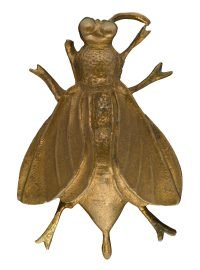
During the 18th and 19th centuries, Manchester became the heart of the Industrial Revolution, a city humming with innovation and production. Factories replaced handcraft, and machines drove progress – the streets and workshops abuzz with relentless activity. Locals began to liken these factories to beehives, where workers moved with purpose and coordination, each contributing to the collective effort. The worker bee, in particular, symbolizes the qualities of Mancunians, especially their work ethic and ability to work together for the common good. From this industrious energy, the bee became a lasting emblem of Manchester – a reminder of resilience, unity, and the power of community.

In every culture, bees embody the balance between work and wisdom, sweetness and sting, mortality and eternity.
Their hive mirrors divine order – a sacred reflection of the Mother Goddess herself, who governs through creation, connection, and care.

A Symbol That Still Speaks

The bee’s meaning has never faded.
It remains a reminder of creativity, cooperation, and the sacred rhythm of life – a tiny being capable of sustaining entire worlds.

From the gold of ancient pendants to the hum of a garden hive, bees continue to symbolize what humanity has always sought: connection, purpose, and transformation – the gentle power of the divine feminine alive in every act of creation.

Related Products

  • Melissa

    Melissa

    109,00
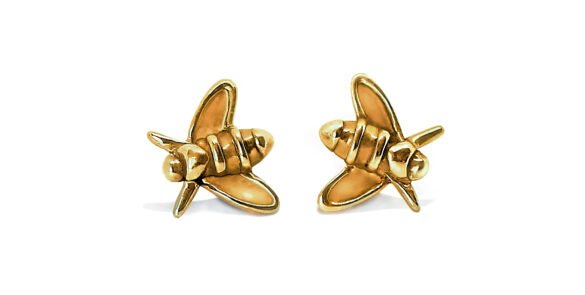
  • melissa bee gold stud earrings

    Melissa Gold

    119,00

OUR NEWSLETTER

Subscribe to our newsletter and get 10% off your next purchase!

BEES IN MYTH AND MAGIC: Messengers Between Worlds Read More »

10 FAMOUS DRAGONS FROM MYTH & FICTION

10 Famous Dragons From Myth & Fiction

I’ve always been fascinated by dragons — not just the fierce, storybook kind, but the ones carved into ancient stones and myths around the world. They’ve always felt alive somehow… carrying fire, strength, and a bit of mystery wherever they appear.

Symbolism: Beyond cultural meanings, dragons can also symbolize personal traits. They are often associated with strength, resilience, and transformation. In many myths, dragons guard treasure—not just physical riches, but metaphorical ones like wisdom or self-discovery. Sometimes, the obstacles we fear the most hide the very things we need to grow.

Dragons Across Cultures: Duality in Symbolism

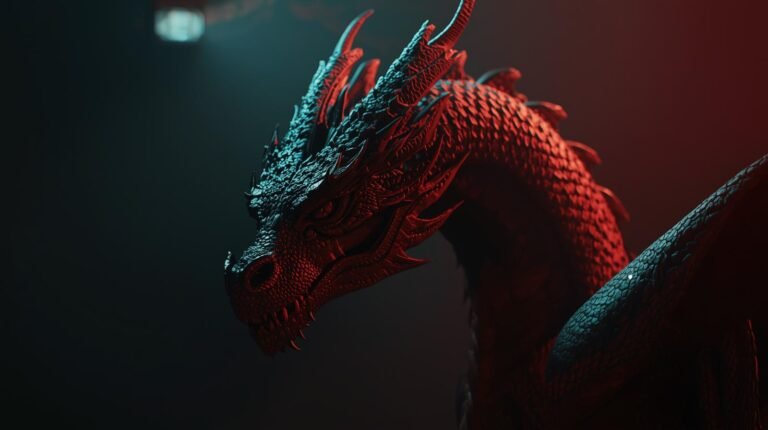
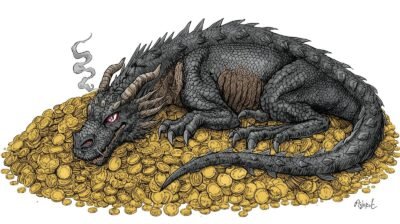
In Western mythology, dragons are often portrayed as terrifying beasts — hoarders of treasure, destroyers of kingdoms, and obstacles for heroes to overcome. These fire-breathing creatures, like Smaug from The Hobbit, symbolize greed, chaos, and untamed power. They reflect a worldview where dragons must be conquered — the embodiment of danger and the unknown.

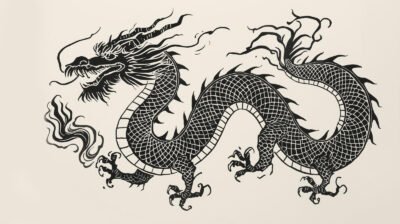
In contrast, Eastern dragon symbolism tells a very different story. In Chinese and other Asian cultures, dragons are revered as wise, benevolent beings — protectors that bring rain, fertility, and good fortune. During Lunar New Year, dragon dances celebrate prosperity and drive away negativity, keeping this ancient myth alive in movement and color.

This contrast between Eastern and Western dragons reveals much about human nature. In one world, dragons represent fear and conflict; in another, wisdom and creation. Across centuries, the dragon remains one of humanity’s most powerful mythical creatures — a timeless mirror of our collective imagination.

Famous Dragons from Myth and Fiction

Here’s a list of some of the most legendary dragons, each with their own captivating stories and extraordinary traits. These mythical beings have ignited our imaginations and shaped countless tales for generations:

1. Smaug (The Hobbit by J.R.R. Tolkien)

• Traits: Greedy, cunning, and immensely powerful.

• Why Famous: Smaug is one of the most famous Western dragons in literature, guarding a mountain of gold and serving as a reminder of the corrupting influence of greed.

2. Shenlong (Chinese Mythology)

• Traits: Wise, benevolent, and associated with weather.

• Why Famous: Shenlong is a celestial dragon that controls rain and wind, revered in Chinese culture as a bringer of prosperity and balance.

3. Drogon (Game of Thrones by George R.R. Martin)

• Traits: Fierce, loyal, and destructive.

• Why Famous: Drogon is Daenerys Targaryen’s most iconic dragon, a symbol of her power and determination to reclaim her throne.

4. Fafnir (Norse Mythology)

• Traits: Greedy, cursed, and tragic.

• Why Famous: Once a dwarf, Fafnir transformed into a dragon due to his greed, guarding a cursed treasure that ultimately leads to his demise.

5. Haku (Spirited Away)

• Traits: Gentle, protective, and mysterious.

• Why Famous: Haku is a river spirit who takes on a dragon form, representing purity, loyalty, and the connection between humanity and nature.

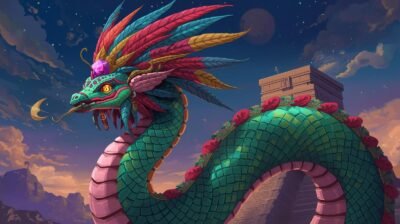
6. Quetzalcoatl (Aztec Mythology)

• Traits: Feathered, divine, and a creator figure.

• Why Famous: A feathered serpent-dragon, Quetzalcoatl is a god of creation, wind, and learning, symbolizing wisdom and the union of opposites.

7. Tiamat (Mesopotamian Mythology / Dungeons & Dragons)

• Traits: Chaotic, destructive, and multi-headed.

• Why Famous: Tiamat is the embodiment of chaos and creation in Babylonian mythology. In Dungeons & Dragons, she’s a five-headed goddess of evil dragons.

8. Mushu (Mulan)

• Traits: Comical, determined, and small but mighty.

• Why Famous: While Mushu is not your typical imposing dragon, his loyalty and humor make him a fan-favorite as he helps Mulan find her strength.

9. The Dragon of the Nibelungs

• Traits: Fierce, treasure-hoarding, and tied to destiny.

• Why Famous: This unnamed dragon from the German epic Nibelungenlied guards an immense treasure hoard, which Siegfried slays it to claim. Bathing in the dragon’s blood grants Siegfried invulnerability—except for a single vulnerable spot, leading to his eventual downfall. The dragon represents greed, power, and the tragic costs of ambition.


This legendary dragon plays a pivotal role in shaping the fate of one of Europe’s most famous heroic sagas.

10. The Dragon of Beowulf

• Traits: Vengeful, fire-breathing, and a symbol of inevitable mortality.

• Why Famous: The dragon in the Old English epic Beowulf is the final adversary faced by the hero. It awakens in fury when a piece of its treasure hoard is stolen. Beowulf slays the dragon but is mortally wounded in the battle, symbolizing the ultimate cost of heroism and the inevitability of death.

Why Dragons Continue to Captivate Us

Dragons endure in our imaginations because they tap into something primal. They are the embodiment of nature’s power—both awe-inspiring and terrifying. In a way, dragons remind us of our place in the world, our struggles, and our potential. They invite us to ask big questions: What do we fear? What do we value? How can we transform?


As I explore the stories and legends surrounding dragons, I can’t help but feel connected to something greater. Whether I’m reading about St. George’s triumph over the dragon or marveling at a Chinese dragon parade, I’m reminded of the universality of these creatures. They may come in different forms and carry different meanings, but they are, at their core, reflections of ourselves.

Related Products

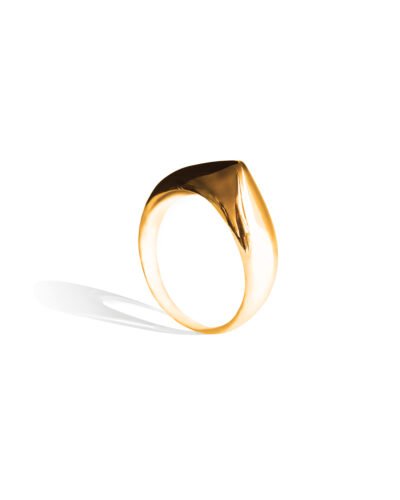
  • Minimalist gol dragon fang stacking ring with a sleek, polished design, perfect for modern jewelry lovers Anillo apilable de plata dorada minimalista en forma de colmillo de dragón, con un diseño pulido y elegante, perfecto para los amantes de la joyería moderna

    Fang Gold ring

    98,00
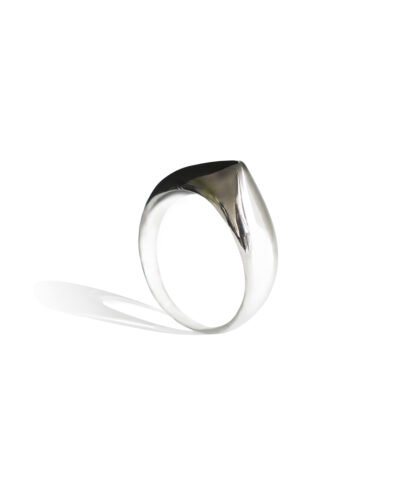
  • Minimalist silver dragon fang stacking ring with a sleek, polished design, perfect for modern jewelry lovers Anillo apilable de plata minimalista en forma de colmillo de dragón, con un diseño pulido y elegante, perfecto para los amantes de la joyería moderna

    Fang ring

    80,00
  • Sterling silver open snake unisex ring front view — crawling serpent design symbolizing transformation, mysticism and ancient wisdom

    King Snake ring

    169,00
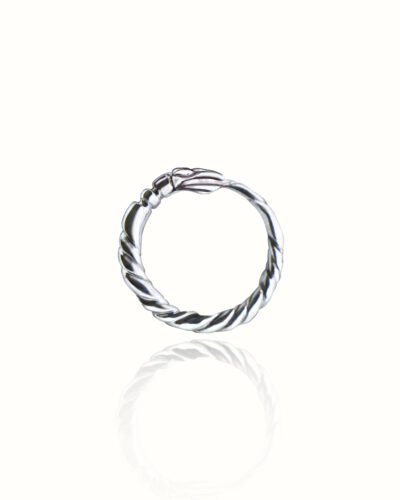
  • A handmade silver Ouroboros snake ring symbolizing eternity, featuring a mythological snake design. Perfect as a stacking ring or a unique ancient symbol jewelry gift

    Ouroboros ring

    75,00
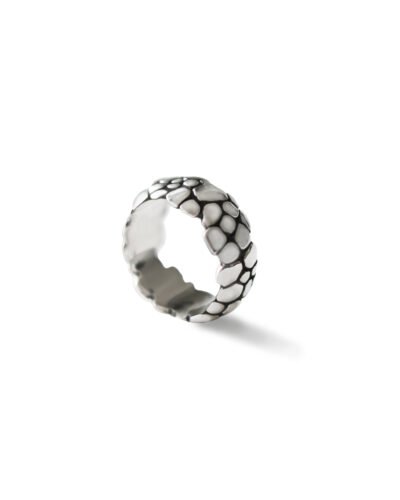
  • Chunky silver statement ring with crocodile and snake skin texture, featuring bold reptile-scale details for a modern look

    Sobek ring

    135,00

OUR NEWSLETTER

Subscribe to our newsletter and get 10% off your next purchase!

10 FAMOUS DRAGONS FROM MYTH & FICTION Read More »

Shopping Cart
Scroll to Top