mayarijewelry

BEES IN MYTH AND MAGIC: Messengers Between Worlds

BEES IN MYTH AND MAGIC: Messengers Between Worlds

Long before written history, when gods still whispered through trees and rivers, there was the hum of bees. It was said their song carried messages between worlds – from the earth to the heavens – a rhythm of creation itself. People called them divine messengers, keepers of sweetness, and symbols of the soul’s immortality.

Even now, when we see a bee hovering over a flower, something ancient stirs in us – that quiet recognition of purpose, harmony, and sacred work.

The Bees of Ancient World: Carriers of Wisdom and Rebirth

In Greek mythology, bees were deeply woven into the fabric of divine stories.
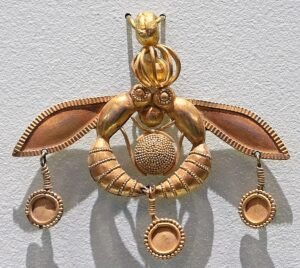
The famous Minoan Gold Bee Pendant from Crete – two bees storing honey around a sacred drop – is one of the oldest known symbols of fertility, life, and creation.

Minoan Gold Bee Pendant, Crete

Bees appear across pantheons as companions of goddesses of fertility, birth, and wisdom – from Artemis, protector of women and the wild, to Cybele, the Great Mother of all life. Their hives mirrored divine order: a matriarchal world ruled by harmony, collaboration, and the leadership of the queen bee – a symbol of female sovereignty and sacred balance.

In ancient rituals, honey was offered to the dead as ambrosia, the food of the gods, signifying immortality and spiritual transformation.
To scholars and mystics, bees represented illumination – creatures that turned sunlight into wax and flame, symbolizing the birth of knowledge through devotion and patience.

The Universal Symbolism of the Bee

Across the world, bees carried sacred meaning, always returning to the same essence – creation, community, and the sacred feminine.

1. Melissa (Greek Mythology)

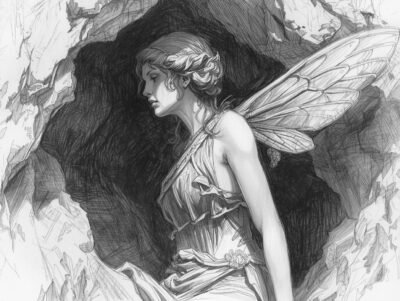
When the infant Zeus was hidden away from his father Kronos in a cave on Mount Dicte, a gentle nymph named Melissa fed him honey instead of milk – the nectar of immortality. In gratitude, Zeus transformed her into a bee, forever linking her to the rhythms of nourishment, devotion, and sacred service. Her name was later given to all the the priestesses of Demeter, goddess of fertility and the harvest, who were called Melissae. Through them, the bee became a living emblem of sacred femininity, purity, and service to the divine. Bees like the priestesses, were seen as channels between the human and the holy – between creation and renewal.

2. The Egyptian Bee (Symbol of Lower Egypt)

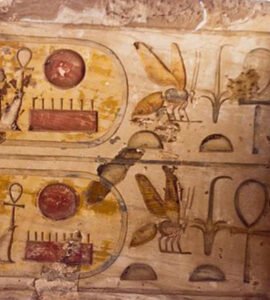
In ancient Egypt, the bee was a powerful symbol of Lower Egypt, embodying life, death, and resurrection. The sun god Ra, Egypt’s most revered deity, was said to shed tears that, upon touching the desert sands, transformed into honeybees – tireless workers and bringers of sweetness.

The Egyptians were also pioneers in beekeeping, crafting the first artificial hives to harvest honey. Hieroglyphs often show honeybees in reverence to Ra, honouring these tiny messengers and the golden treasure they produce – a sacred gift from the sun itself.

3. The Catholic Bee (Symbol of Resurrection and the Virgin Mary)

In Catholic tradition, the bee embodies diligence, purity, and divine order. The hive mirrors the Church itself – each bee working in harmony for a higher purpose, united under a Queen as believers under Mary, the Virgin Mother.

Because worker bees do not reproduce, they became symbols of virginity and devotion, while honey represents spiritual sweetness and divine wisdom. Early Christians carved beehives on tombs as signs of resurrection and eternal life.

Even the wax of church candles carries sacred meaning – the flesh of Christ, the wick His soul, the flame His divinity – transforming the bee’s humble labor into a living light of faith.

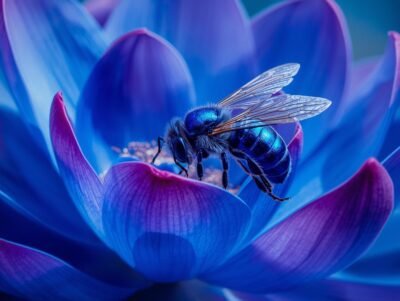
4. The Hindu Blue Bee (Vishnu, Krishna & Bhrāmarī Devi)

In Hindu mythology, bees symbolize life, rebirth, and divine harmony. The gods Vishnu and Krishna are often called Madhava, meaning “born of honey.”

The hum of bees was said to be the song of Kāma, the god of love, whose bow was strung with bees and whose arrows stirred desire and awakening. Their buzzing became a symbol of longing, tenderness, and the pulse of creation.

The Goddess Bhrāmarī Devi, an incarnation of the Great Mother Shakti, embodies the bee’s sacred power. Surrounded by swarms of black bees, she represents the feminine force that nurtures, protects, and restores balance – the hum of life itself made divine.

5. The Napoleonic Bee

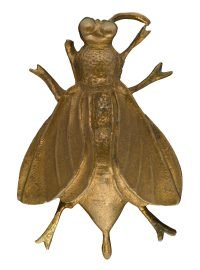
napoleonic bee gold

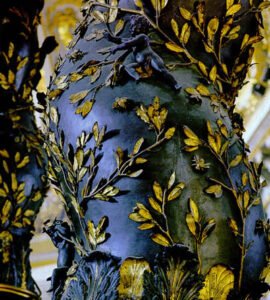
In the 19th century, Napoleon chose the bee as his emblem – a symbol of industriousness, vigilance, and order. Its association with hard work and the production of honey made it a fitting metaphor for diligence, benevolence, and grace. The bee also carried Christian connotations, representing the Church, eloquence, and divine virtue, as seen in the devotion of saints like St. Ambrose. Napoleon adorned everything from snuff boxes to his coronation robe with gilded bees, embracing their symbolism of zeal, productivity, and sweet authority – a tiny yet powerful emblem that conveyed both power and purpose.

6. The Manchester Worker Bee (modern symbol)

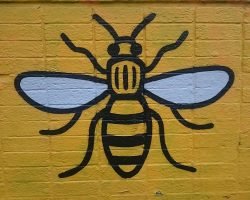
Manchester_bee_2

During the 18th and 19th centuries, Manchester became the heart of the Industrial Revolution, a city humming with innovation and production. Factories replaced handcraft, and machines drove progress – the streets and workshops abuzz with relentless activity. Locals began to liken these factories to beehives, where workers moved with purpose and coordination, each contributing to the collective effort. The worker bee, in particular, symbolizes the qualities of Mancunians, especially their work ethic and ability to work together for the common good. From this industrious energy, the bee became a lasting emblem of Manchester – a reminder of resilience, unity, and the power of community.

In every culture, bees embody the balance between work and wisdom, sweetness and sting, mortality and eternity.
Their hive mirrors divine order – a sacred reflection of the Mother Goddess herself, who governs through creation, connection, and care.

A Symbol That Still Speaks

The bee’s meaning has never faded.
It remains a reminder of creativity, cooperation, and the sacred rhythm of life – a tiny being capable of sustaining entire worlds.

From the gold of ancient pendants to the hum of a garden hive, bees continue to symbolize what humanity has always sought: connection, purpose, and transformation – the gentle power of the divine feminine alive in every act of creation.

Related Products

  • Melissa

    Melissa

    109,00
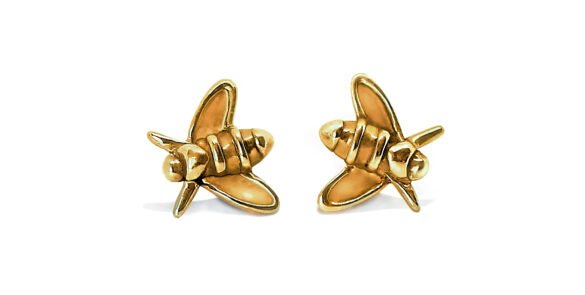
  • melissa bee gold stud earrings

    Melissa Gold

    119,00

OUR NEWSLETTER

Subscribe to our newsletter and get 10% off your next purchase!

BEES IN MYTH AND MAGIC: Messengers Between Worlds Read More »

10 FAMOUS DRAGONS FROM MYTH & FICTION

10 Famous Dragons From Myth & Fiction

I’ve always been fascinated by dragons — not just the fierce, storybook kind, but the ones carved into ancient stones and myths around the world. They’ve always felt alive somehow… carrying fire, strength, and a bit of mystery wherever they appear.

Symbolism: Beyond cultural meanings, dragons can also symbolize personal traits. They are often associated with strength, resilience, and transformation. In many myths, dragons guard treasure—not just physical riches, but metaphorical ones like wisdom or self-discovery. Sometimes, the obstacles we fear the most hide the very things we need to grow.

Dragons Across Cultures: Duality in Symbolism

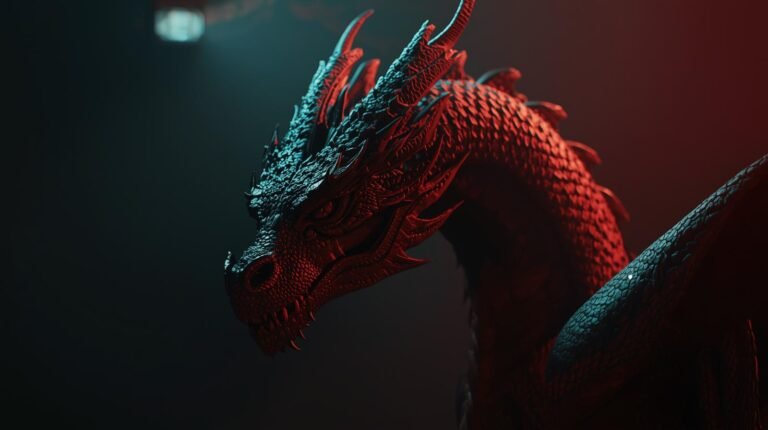
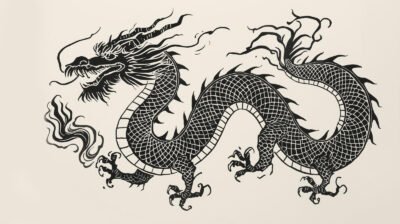
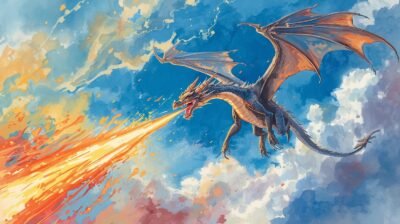
In Western mythology, dragons are often portrayed as terrifying beasts — hoarders of treasure, destroyers of kingdoms, and obstacles for heroes to overcome. These fire-breathing creatures, like Smaug from The Hobbit, symbolize greed, chaos, and untamed power. They reflect a worldview where dragons must be conquered — the embodiment of danger and the unknown.

In contrast, Eastern dragon symbolism tells a very different story. In Chinese and other Asian cultures, dragons are revered as wise, benevolent beings — protectors that bring rain, fertility, and good fortune. During Lunar New Year, dragon dances celebrate prosperity and drive away negativity, keeping this ancient myth alive in movement and color.

This contrast between Eastern and Western dragons reveals much about human nature. In one world, dragons represent fear and conflict; in another, wisdom and creation. Across centuries, the dragon remains one of humanity’s most powerful mythical creatures — a timeless mirror of our collective imagination.

Famous Dragons from Myth and Fiction

Here’s a list of some of the most legendary dragons, each with their own captivating stories and extraordinary traits. These mythical beings have ignited our imaginations and shaped countless tales for generations:

1. Smaug (The Hobbit by J.R.R. Tolkien)

• Traits: Greedy, cunning, and immensely powerful.

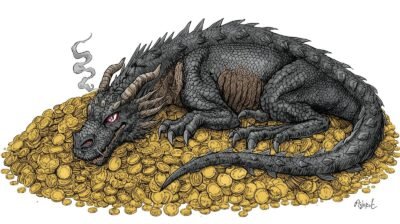
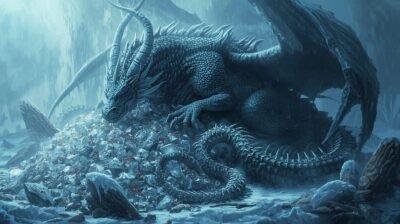
• Why Famous: Smaug is one of the most famous Western dragons in literature, guarding a mountain of gold and serving as a reminder of the corrupting influence of greed.

2. Shenlong (Chinese Mythology)

• Traits: Wise, benevolent, and associated with weather.

• Why Famous: Shenlong is a celestial dragon that controls rain and wind, revered in Chinese culture as a bringer of prosperity and balance.

3. Drogon (Game of Thrones by George R.R. Martin)

• Traits: Fierce, loyal, and destructive.

• Why Famous: Drogon is Daenerys Targaryen’s most iconic dragon, a symbol of her power and determination to reclaim her throne.

4. Fafnir (Norse Mythology)

• Traits: Greedy, cursed, and tragic.

• Why Famous: Once a dwarf, Fafnir transformed into a dragon due to his greed, guarding a cursed treasure that ultimately leads to his demise.

5. Haku (Spirited Away)

• Traits: Gentle, protective, and mysterious.

• Why Famous: Haku is a river spirit who takes on a dragon form, representing purity, loyalty, and the connection between humanity and nature.

6. Quetzalcoatl (Aztec Mythology)

• Traits: Feathered, divine, and a creator figure.

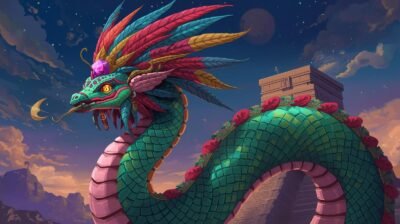
• Why Famous: A feathered serpent-dragon, Quetzalcoatl is a god of creation, wind, and learning, symbolizing wisdom and the union of opposites.

7. Tiamat (Mesopotamian Mythology / Dungeons & Dragons)

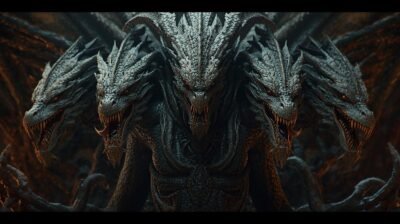
• Traits: Chaotic, destructive, and multi-headed.

• Why Famous: Tiamat is the embodiment of chaos and creation in Babylonian mythology. In Dungeons & Dragons, she’s a five-headed goddess of evil dragons.

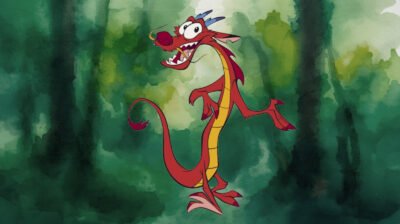
8. Mushu (Mulan)

• Traits: Comical, determined, and small but mighty.

• Why Famous: While Mushu is not your typical imposing dragon, his loyalty and humor make him a fan-favorite as he helps Mulan find her strength.

9. The Dragon of the Nibelungs

• Traits: Fierce, treasure-hoarding, and tied to destiny.

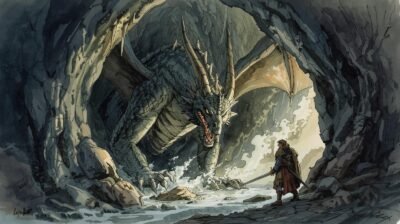
• Why Famous: This unnamed dragon from the German epic Nibelungenlied guards an immense treasure hoard, which Siegfried slays it to claim. Bathing in the dragon’s blood grants Siegfried invulnerability—except for a single vulnerable spot, leading to his eventual downfall. The dragon represents greed, power, and the tragic costs of ambition.


This legendary dragon plays a pivotal role in shaping the fate of one of Europe’s most famous heroic sagas.

10. The Dragon of Beowulf

• Traits: Vengeful, fire-breathing, and a symbol of inevitable mortality.

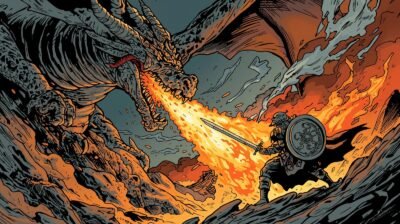
• Why Famous: The dragon in the Old English epic Beowulf is the final adversary faced by the hero. It awakens in fury when a piece of its treasure hoard is stolen. Beowulf slays the dragon but is mortally wounded in the battle, symbolizing the ultimate cost of heroism and the inevitability of death.

Why Dragons Continue to Captivate Us

Dragons endure in our imaginations because they tap into something primal. They are the embodiment of nature’s power—both awe-inspiring and terrifying. In a way, dragons remind us of our place in the world, our struggles, and our potential. They invite us to ask big questions: What do we fear? What do we value? How can we transform?


As I explore the stories and legends surrounding dragons, I can’t help but feel connected to something greater. Whether I’m reading about St. George’s triumph over the dragon or marveling at a Chinese dragon parade, I’m reminded of the universality of these creatures. They may come in different forms and carry different meanings, but they are, at their core, reflections of ourselves.

Related Products

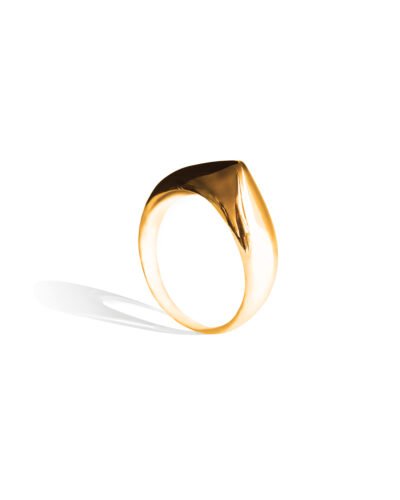
  • Minimalist gol dragon fang stacking ring with a sleek, polished design, perfect for modern jewelry lovers Anillo apilable de plata dorada minimalista en forma de colmillo de dragón, con un diseño pulido y elegante, perfecto para los amantes de la joyería moderna

    Fang Gold ring

    98,00
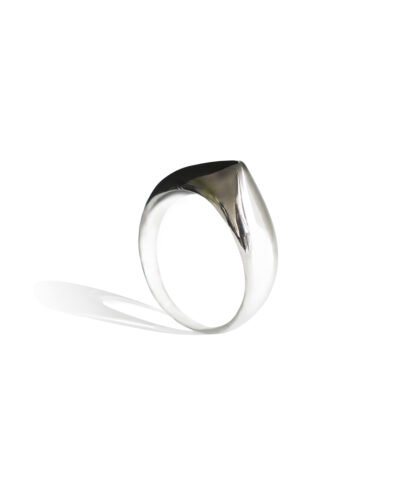
  • Minimalist silver dragon fang stacking ring with a sleek, polished design, perfect for modern jewelry lovers Anillo apilable de plata minimalista en forma de colmillo de dragón, con un diseño pulido y elegante, perfecto para los amantes de la joyería moderna

    Fang ring

    80,00
  • Sterling silver open snake unisex ring front view — crawling serpent design symbolizing transformation, mysticism and ancient wisdom

    King Snake ring

    169,00
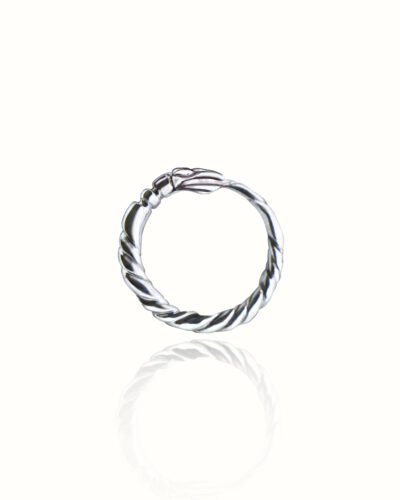
  • A handmade silver Ouroboros snake ring symbolizing eternity, featuring a mythological snake design. Perfect as a stacking ring or a unique ancient symbol jewelry gift

    Ouroboros ring

    75,00
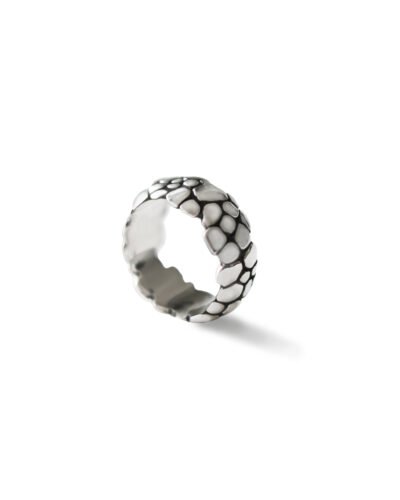
  • Chunky silver statement ring with crocodile and snake skin texture, featuring bold reptile-scale details for a modern look

    Sobek ring

    135,00

OUR NEWSLETTER

Subscribe to our newsletter and get 10% off your next purchase!

10 FAMOUS DRAGONS FROM MYTH & FICTION Read More »
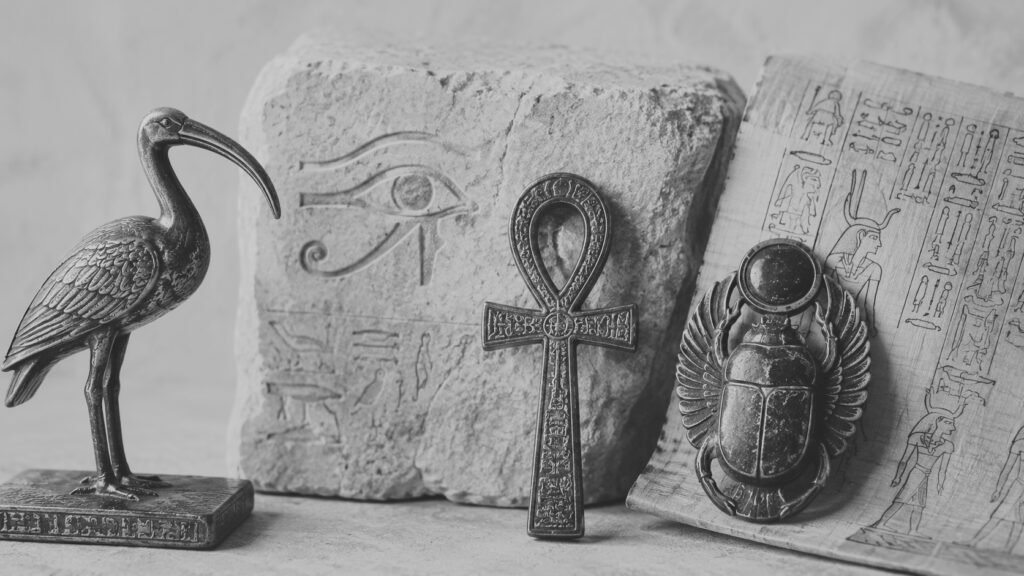
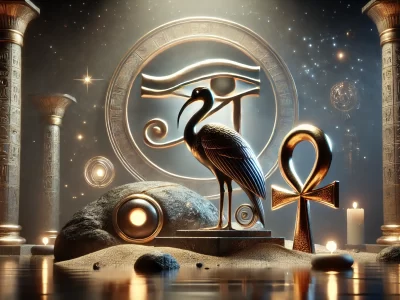
Scarab beetle for rebirth and transformation, sacred ibis symbolizing Thoth’s divine wisdom, glowing gold ankh representing eternal life, and the Eye of Horus for protection, healing, and sacred balance — an ensemble of powerful ancient Egyptian symbols

Discover the Most Iconic Ancient Egyptian Symbols

Discover the Most Iconic Ancient Egyptian Symbols

Scarab beetle for rebirth and transformation, sacred ibis symbolizing Thoth’s divine wisdom, glowing gold ankh representing eternal life, and the Eye of Horus for protection, healing, and sacred balance — an ensemble of powerful ancient Egyptian symbols

Let’s take a step back in time and uncover the secrets of ancient Egypt—one of the world’s most fascinating civilizations. For me, if you look closely, you realize that these symbols were not just a part of history—they’re alive, even today, offering us insights into life, death, and everything in between. In this post, we’re diving into the magic of four iconic Egyptian symbols—the Scarab, the Ibis, the Ankh, and the Eye of Horus. Each one tells its own powerful story, with meanings that still resonate with us in the modern world.

So let’s explore how these symbols could change the way you think about your own journey, and how they continue to inspire us.

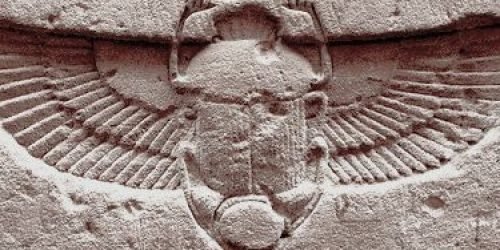
scarab beetle solar symbol ancient Egyptian mythology and jewelry

The Scarab: The Ultimate Symbol of Transformation

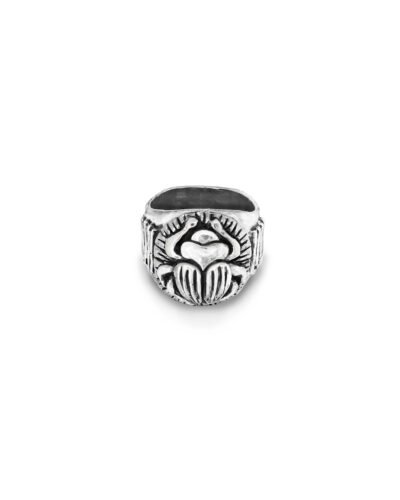
When you think of the scarab, you might picture a small beetle scurrying about, but in ancient Egypt, this creature held great significance. The scarab was a symbol of rebirth, regeneration, and protection. Its behavior—rolling dung into a ball—was seen as a reflection of the Sun God Ra rolling the sun across the sky.

For the Egyptians, life was an eternal cycle—birth, death, and rebirth. The scarab reminded them that death wasn’t the end; it was simply part of this greater cycle. Scarab amulets were worn to ensure protection in the afterlife and placed in tombs to help guide the soul toward rebirth.

Personally, I find the scarab’s symbolism inspiring. It serves as a reminder that, though change can be difficult, it is a constant and beautiful part of life. The scarab encourages us to believe that transformation is always possible, even in the darkest times. It’s a symbol of hope and renewal—a perfect metaphor for our personal growth. Carry this timeless symbolism with a scarab ring as a daily reminder of transformation.

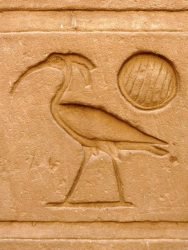
The Ibis: Symbol of Wisdom, Balance, and the Soul

The Ibis: Symbol of Wisdom, Balance, and the Soul

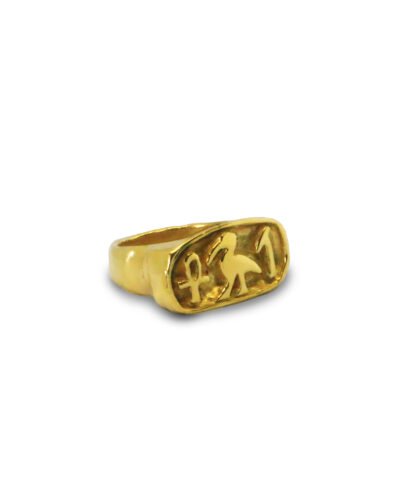
With its long, curved bill, the graceful ibis was far more than just a bird to the ancient Egyptians. Gliding along the Nile, it was seen as the earthly embodiment of Thoth, the god of wisdom, writing, and the moon. Thoth, the keeper of knowledge and the recorder of universal laws, was mirrored in the ibis, symbolizing divine wisdom.

The African ibis appears prominently in the Book of the Dead, embodying justice and integrity. It also became a profound symbol of the human soul, connecting the living and the dead.

Honor the wisdom of the ibis with a Thoth-inspired ring that represents purity and divine knowledge.

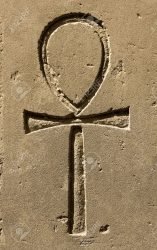
ankh cross ancient Egyptian fertility protection symbol

The Ankh: The Key to Immortality

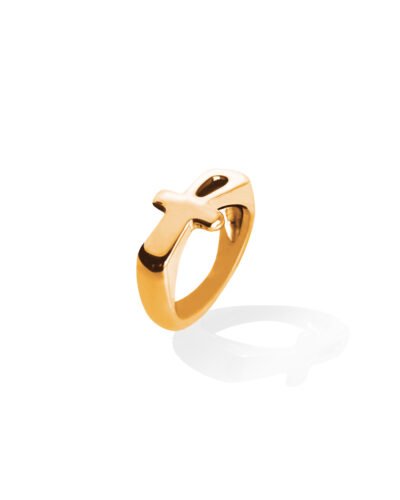
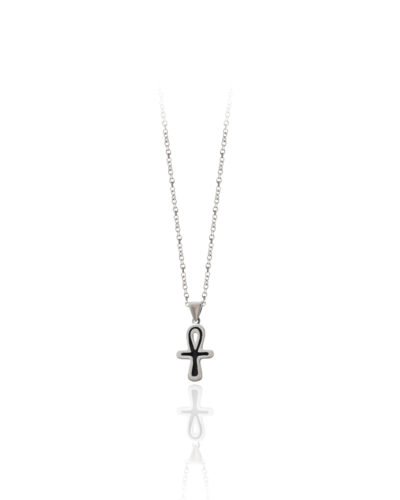
Now let’s talk about the Ankh. Known as the “key of life” or the “key of the Nile,” this symbol represented immortality and the eternal cycle of life. It was the ultimate symbol of vitality, regeneration, and protection. Associated with gods like Isis and Osiris, it embodied fertility and resurrection. The Ankh’s message of continuity reminds us that life is part of a greater, eternal cycle—serving as a powerful reminder of the interconnectedness of all living beings.

Keep this message of eternal life close with a timeless Ankh necklace or ring.

Eye of Horus_ The True Meaning of an Ancient, Powerful Symbol

The Eye of Horus: Protection and Healing

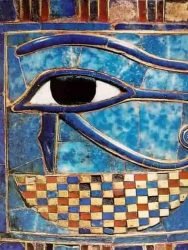
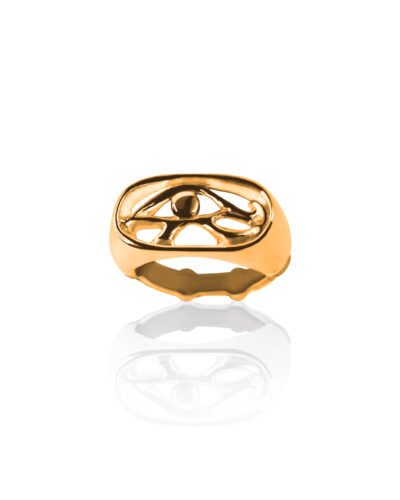
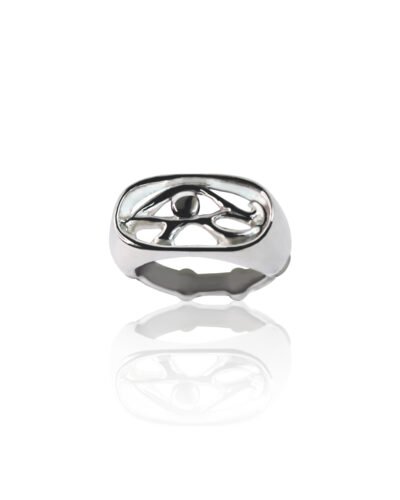
Finally, let’s explore the eye of Horus, one of the most recognizable symbols. Known as the Wedjat Eye, it’s a beacon of protection, strength, and healing. According to Egyptian myth, Horus, the god of the sky, lost his left eye in battle with his evil uncle Set. The eye was miraculously healed by Thoth, restoring Horus to full power. From that point on, the eye of Horus became a symbol of recovery and divine protection.

More than just a symbol to ward off evil, the eye of Horus represented healing. Worn as an amulet it was believed to have the power to heal both body and spirit. To me, the eye of Horus is a reminder that no matter what challenges we face—be it health issues, emotional struggles, or external forces—we have the potential to heal and emerge stronger. It gives us hope that restoration is always possible and that protection is always available. Embrace this powerful symbol with a stunning Eye of Horus ring or pendant to feel its protection and strength in your daily life.

Why These Symbols Still Matter Today

What strikes me about these ancient symbols is how relevant they still are in our modern world. So, the next time you encounter a scarab, an Ankh, an ibis, or the Eye of Horus, take a moment to reflect on what they might represent in your own life. There’s something profound about these ancient symbols—they seem to tap into a deeper, unconscious part of us, a recognition of their true meaning that transcends time.

 You might find that these symbols have something powerful to teach you, just as they did for the people of ancient Egypt. Even if we don’t fully understand it, we often feel their energy and wisdom on a subconscious level, connecting us to something timeless and universal.

Related Products

  • Gold Ibis signet ring angled view on white background — symbolic Egyptian jewelry with ibis motif representing god Thoth, clarity, lunar energy, and sacred knowledge

    Mr. Ibis Gold

    205,00
  • Silver Mr. Ibis ring front view on white background — unisex gothic jewelry inspired by ancient Egyptian mythology and the wisdom of Thoth

    Mr Ibis ring

    182,00
  • Gold-plated Ankh cross necklace with engraved all-seeing eye — Egyptian symbol of life, protection, and esoteric wisdom, handcrafted in Spain

    Ankh gold

    225,00
  • Shiny gold plated silver Ankh ring, bold and polished, symbol of eternal life and sacred duality — handcrafted statement jewelry inspired by ancient Egypt

    Ankh Gold ring

    135,00
  • Mini silver Ankh cross necklace, ancient Egyptian talisman: a delicate symbol of life and eternity, hanging from a fine chain
  • Handcrafted silver ring featuring an ankh cross, symbol of life in ancient Egyptian mythology. The ring has a smooth, polished finish with detailing around the ankh, capturing the timeless mystique of Egyptian symbolism

    Ankh ring

    115,00
  • Handcrafted silver Ankh cross pendant with all-seeing eye motif — an ancient Egyptian symbol of eternal life, protection, and cosmic balance.

    Ankh silver

    189,00
  • Close-up of silver scarab ring, ancient Egyptian symbol of transformation and protection, shown from front view on white background

    Scarab ring

    195,00
  • Eye of Horus ring, inspired by ancient Egypt. A symbol of protection, strength, and spiritual guidance. vermeil gold
  • Eye of Horus ring, inspired by ancient Egypt. A symbol of protection, strength, and spiritual guidance.

OUR NEWSLETTER

Subscribe to our newsletter and get 10% off your next purchase!

Discover the Most Iconic Ancient Egyptian Symbols Read More »

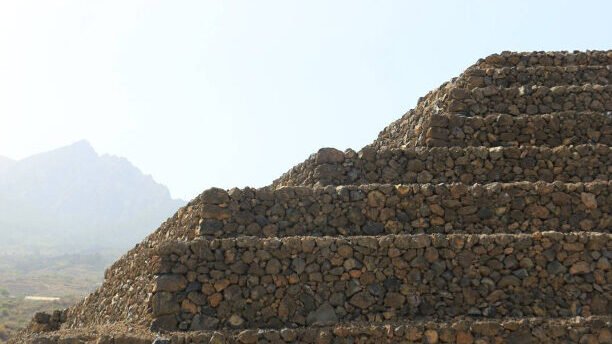
Guanche pyramids in Tenerife, Canary Islands, showcasing ancient stone structures against a backdrop of lush foliage and clear sky

UNLOCKING THE ENIGMA: A Thrilling Expedition Into The Secrets Of Canary Islands’ Pyramids And Pintadera Symbols

SECRETS OF THE CANARY ISLANDS: Unraveling the Mysteries of Pyramids and Pintadera Symbols

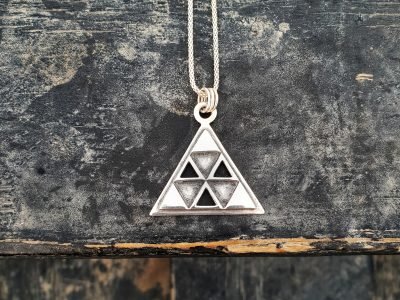
Handmade Pintadera necklace resting on rustic wood — symbolic jewelry echoing the lost codes of the Guanches

Pintadera symbols are ancient ceramic stamps with rich historical significance. These intricately carved artifacts offer insights into identity, communication, and spirituality of ancient civilizations.


The Canary Islands, a picturesque archipelago off the northwest coast of Africa, boast more than just stunning beaches and vibrant culture. Nestled amidst the island’s rugged terrain are remnants of a mysterious pastpyramids. These ancient structures, often overshadowed by the pyramids in Egypt and Central America, hold secrets waiting to be uncovered. The mystery deepens with the enigmatic symbols known as Pintaderas, carved into pottery and rock surfaces by the islands’ native people. In this blog post, we embark on a journey to explore the fascinating connection between the pyramids of the Canary Islands and the elusive Pintadera symbols.

The Pyramids of the Canary Islands

When one thinks of pyramids, the mind often wanders to the grandeur of Egypt’s Giza or the mystique of the Mayan temples in Central America. However, few are aware that the Canary Islands also boast their own pyramid structures. Spread across various islands such as Tenerife, La Palma, and Gran Canaria, they stand as silent witnesses to a civilization lost in time.

The pyramid-like structures, known locally as “Guanche Pyramids,” are believed to have been built by the Guanches, the indigenous people of the Canary Islands. Despite their remarkable resemblance to the pyramids of other ancient civilizations, the purpose of these structures remains concealed in mystery. Some theories suggest they served as burial sites or religious temples, while others propose more practical functions such as agricultural or astronomical significance.

Guanche pyramids in Tenerife, Canary Islands, showcasing ancient stone structures against a backdrop of lush foliage and clear sky

The Pintadera Symbols

Alongside the pyramids, another enigma awaits discovery—the Pintadera symbols. Pintaderas are small ceramic stamps adorned with intricate geometric patterns and symbols. These symbols are believed to have held significant cultural and possibly religious importance for the Guanches.

The meaning behind these symbols continues to baffle archaeologists and historians alike. Some argue that they served as a form of communication or a means of identity, while others propose they held ritualistic or spiritual significance. Regardless of their exact purpose, the Pintadera symbols offer a captivating glimpse into the rich cultural tapestry of the Canary Islands’ indigenous inhabitants.

The Connection

While the exact relationship between the pyramids and the Pintadera symbols remains uncertain, tantalizing connections have been suggested. Some researchers posit that the symbols may have been used in rituals or ceremonies conducted at the pyramid sites. Others speculate that the geometric patterns of the Pintaderas could represent astronomical alignments, echoing the possible astronomical functions of the pyramids themselves. 

Moreover, the resemblance in geometric patterns between the Pintadera symbols and the architectural elements of the pyramids suggests a profound connection. It’s possible that both were essential components of Guanche society’s belief systems, intertwined in ways that remain to be fully comprehended.

Conclusion: A Tale of Mystery and Intrigue

As we delve into the mysteries of the Canary Islands‘ pyramids and the enigmatic Pintadera symbols, one thing becomes abundantly clear—their story is far from over. Each discovery, each interpretation, brings us closer to unraveling the secrets of a civilization lost to time.

The pyramids stand tall like silent guardians, urging us to unveil their purpose and significance. Meanwhile, the cryptic beauty of the Pintadera symbols provides valuable clues to a culture that flourished amidst the vastness of the Atlantic Ocean.

In the Canary Islands, the past speaks to us through stone and pottery, through geometry and symbolism. And as we continue to unearth the treasures of this ancient land, we inch closer to understanding the profound legacy left by its aboriginal inhabitants—the Guanches.

Related Products

  • geometric architectural minimalist triangle silver statement earrings

    Delta Earrings

    125,00
  • geometric architectural minimalist triangle gold statement earrings
  • geometric architectural minimalist triangle gold statement necklace
  • Handcrafted vermeil gold Pintadera pendant, inspired by pre-Hispanic Canarian geometric stamps — timeless cultural emblem in luminous finish

    Pintadera gold

    175,00
  • Artisan silver Pintadera pendant, inspired by ancient Canarian geometric symbols — handcrafted statement of mystery and cultural heritage.

    Pintadera silver

    169,00

OUR NEWSLETTER

Subscribe to our newsletter and get 10% off your next purchase!

UNLOCKING THE ENIGMA: A Thrilling Expedition Into The Secrets Of Canary Islands’ Pyramids And Pintadera Symbols Read More »

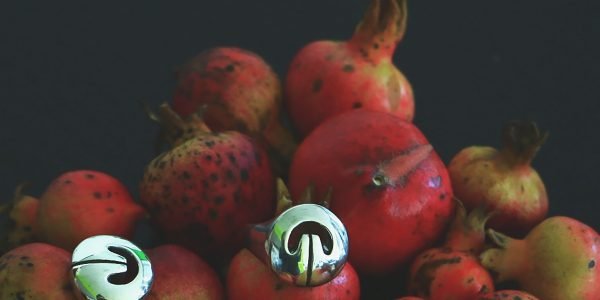
Multiple silver Lingling-o rings displayed on ripe pomegranates — symbols of fertility and abundance meet sacred ancient design

The Secrets of Ancient Fertility Symbols: Decoding Their Timeless Power

The Secrets of Ancient Fertility Symbols: Decoding Their Timeless Power

Multiple silver Lingling-o rings displayed on ripe pomegranates — symbols of fertility and abundance meet sacred ancient design

Let’s step into a realm where symbols speak volumes about the essence of life itself. In this post, we’ll unravel the secrets behind these potent icons—from the revered Mother Goddess to timeless emblems like the spiral and cornucopia.

Fertility, a timeless symbol of life, has always been cherished across cultures and throughout history. It’s woven into the fabric of human existence, from ancient civilizations to modern times. Along this journey, various symbols have emerged, each believed to hold the power to unlock abundance, prosperity, and the gift of life itself.

So let’s journey through time, where ancient fertility symbols speak of renewal, and prosperity. In their embrace, we find a connection to our roots and a promise of enduring blessings, guiding us toward a future filled with life’s abundance.


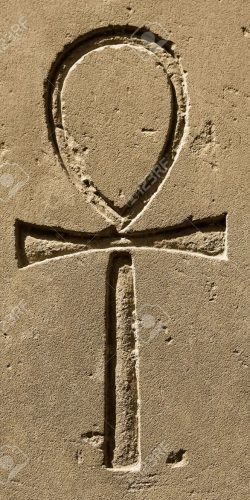
The Ankh (Ancient Egypt)

The Ankh, often referred to as the key of life or the key of the Nile, is one of the most enduring symbols of ancient Egypt.

The loop over the tau-cross could stand for the Sun, for Heaven and Earth as the macrocosm, and for man as the microcosm. This symbolism intertwines seamlessly with its association with ancient Egyptian deities, including Isis and Osiris, who embody fertility and resurrection. Frequently depicted in Egyptian art and inscribed on amulets, the Ankh served as a protective talisman believed to bestow vitality and fertility upon its wearer. Its shape symbolizes the eternal cycle of life and regeneration, resonating deeply with the mythological and philosophical foundations of Egyptian culture.

Mayari Jewelry, Ankh Necklace

ankh cross ancient Egyptian fertility protection symbol
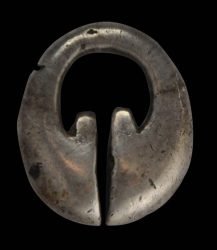
Ancient jade Lingling-o earring artifact — prehistoric fertility symbol from Southeast Asia, representing feminine energy, prosperity, and ancestral power

Lingling-o (Ancient Philippines)

A crescent-shaped amulet made of gold or other precious metals, the Lingling-o symbolizes fertility and prosperity in ancient Philippine cultures, often associated with deities and used as jewelry or in rituals. The amulet’s curved shape is thought to represent the womb and the cyclical nature of life, embodying the power of creation and regeneration.

The lingling-o was worn by people in various regions of the Philippines and also all around Southeast Asia (the oldest ones are believed to be over 2500 years old). It was worn because of its “magical” qualities for fertility and prosperity, and at the same time it represented an abstract concept of the Feminine. The symbol is also considered an amulet.

Mayari Jewelry, Lingling-o ring

The Yoni (Ancient India)

 In Hinduism, the Yoni symbolizes the divine feminine principle and the creative power of Shakti, the goddess of energy and fertility. It represents the womb, the source of all life. The Yoni is revered as a symbol of fertility, abundance, and the cyclical nature of existence. 

The Yoni has been celebrated in Hindu mythology and sacred texts. For instance, the ancient text known as the “Linga Purana” describes the cosmic significance of the Yoni as the divine vessel through which the universe is created and sustained. It is believed that the lingam, representing the masculine aspect of divinity, arises from the Yoni, symbolizing the eternal dance of creation and dissolution.

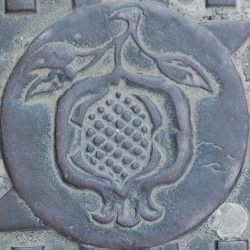
pomegranate

The Pomegranate (Ancient Mesopotamia and Mediterranean)

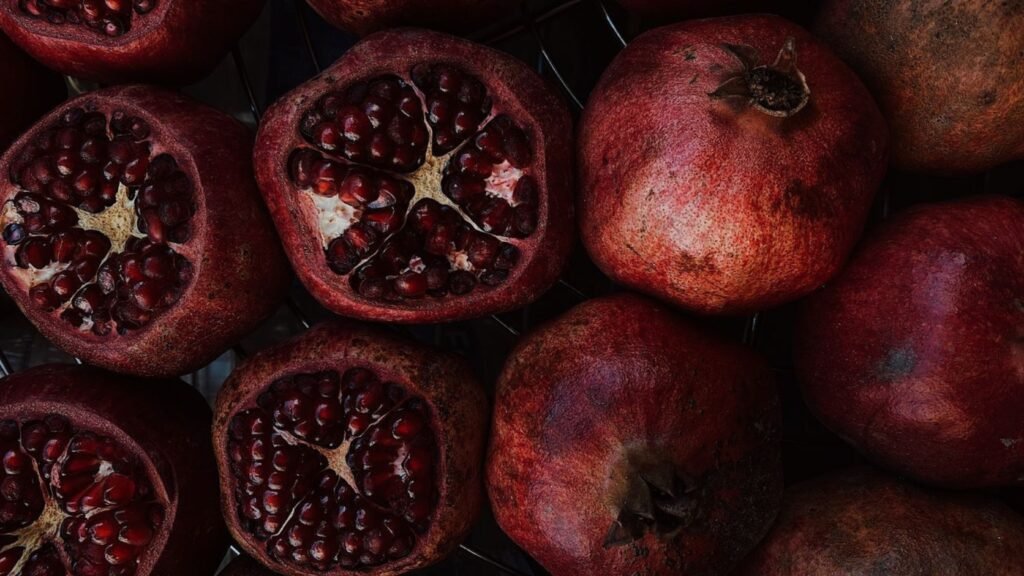
The pomegranate has been revered as a symbol of fertility, beauty, and eternal life since ancient times. In ancient Mesopotamian and Mediterranean cultures, it was associated with fertility goddesses such as Inanna and Demeter. The pomegranate’s many seeds symbolized unity, reproduction and the abundance of life.

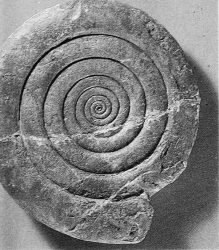
The Spiral (Various Ancient Cultures)

 The spiral is a universal symbol found in various ancient cultures across the globe, from Celtic to Native American civilizations. It symbolizes the cyclical nature of life, growth, and evolution. In many cultures, the spiral is associated with fertility goddesses and the creative force of the universe.

ancient spiral fertility symbol

Spiral motifs were often incorporated into jewelry and amulets, serving as symbols of reproduction, transformation, and spiritual growth. Pomegranate motifs were commonly used in jewelry and amulets in different cultures, particularly as symbols of protection during childbirth and pregnancy.

Mayari Jewelry, Helios Earrings

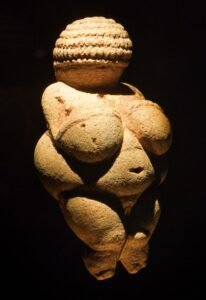
mother Goddess ancient fertility protection symbol

The Mother Goddess (Various Ancient Cultures)

Across various cultures, the Mother Goddess symbolizes fertility, creation, and nurturing. Often depicted as a maternal figure, she embodies the power to give life and sustain it, representing the interconnectedness of all living beings and the cycles of birth, growth, and renewal.

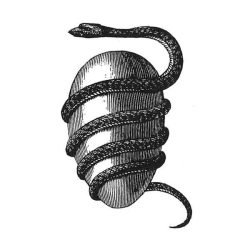
The Egg (Various Ancient Cultures)

Universally recognized as a symbol of fertility and potential, the egg represents the essence of life and the promise of new beginnings. It symbolizes the cycle of birth, growth, and transformation, as well as the idea of protection. In many cultures, the egg is associated with springtime rituals and festivals celebrating fertility and renewal.

World Egg symbol
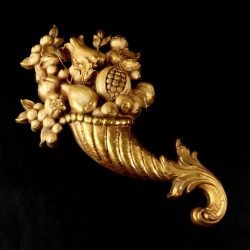
Horn of Plenty Cornucopia fertility symbol

The Cornucopia (Ancient Greece, Rome)

Known as the Horn of Plenty, the cornucopia is a symbol of abundance, prosperity, and fertility. Originating from Greco-Roman mythology, it is often depicted as a horn overflowing with fruits, vegetables, and other bountiful offerings. The cornucopia represents the blessings of the harvest and the abundance of nature, embodying the idea of plenty and the generosity of the earth.

Related Products

  • Shiny gold plated silver Ankh ring, bold and polished, symbol of eternal life and sacred duality — handcrafted statement jewelry inspired by ancient Egypt

    Ankh Gold ring

    135,00
  • Mini silver Ankh cross necklace, ancient Egyptian talisman: a delicate symbol of life and eternity, hanging from a fine chain
  • Handcrafted silver ring featuring an ankh cross, symbol of life in ancient Egyptian mythology. The ring has a smooth, polished finish with detailing around the ankh, capturing the timeless mystique of Egyptian symbolism

    Ankh ring

    115,00
  • Front view of gold Lingling-o ring on white background — symbolic fertility ring inspired by ancient Filipino and Southeast Asian culture, crafted in vermeil gold

    Lingling-o gold

    215,00
  • Silver Lingling-o ring front view — artisan fertility symbol jewelry inspired by ancient Southeast Asian amulets, handcrafted in Spain

    Lingling-o ring

    209,00
  • Front view of silver Lingling-O snake pendant on white background — symbolic fusion of ancient fertility amulet and serpentine energy
  • A handmade silver Ouroboros snake ring symbolizing eternity, featuring a mythological snake design. Perfect as a stacking ring or a unique ancient symbol jewelry gift
  • A handmade silver Ouroboros snake ring symbolizing eternity, featuring a mythological snake design. Perfect as a stacking ring or a unique ancient symbol jewelry gift

    Ouroboros ring

    75,00

OUR NEWSLETTER

Subscribe to our newsletter and get 10% off your next purchase!

The Secrets of Ancient Fertility Symbols: Decoding Their Timeless Power Read More »
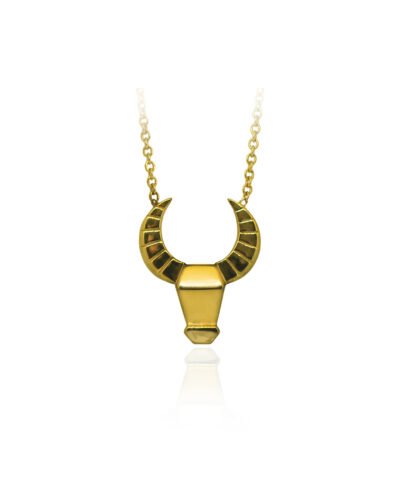
Handcrafted silver Carabao necklace – a modern talisman inspired by ancestral Filipino symbols of power and resilience

Horns: Cosmic Symbols of Power and Mystery

HORNS: Cosmic Symbols of Power and Mystery

Sketches of Carabao horn pendant design – exploring Filipino symbolism, earth magic, and sacred strength

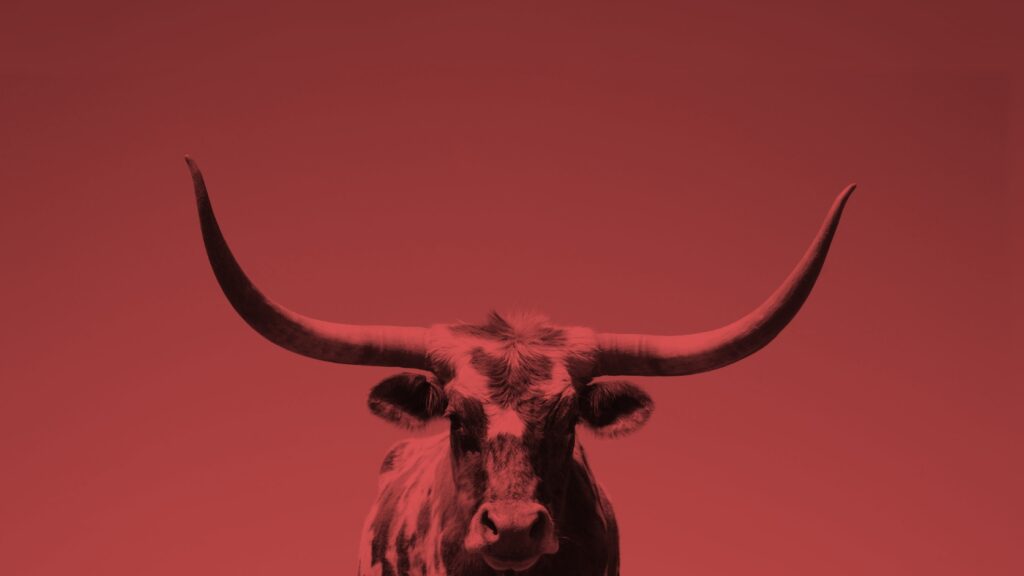
Horns hold dual symbolism, representing both solar and lunar attributes in various mythologies. They signify strength and power, often associated with Sun gods and Moon goddesses.

Horned gods used to symbolize warriors, fertility for both humans and animals, and were masters of animals. They had as attributes the horns of bulls or cows, signifying honor, dignity, and strength, or of rams and goats – as a sign of productive power and fertility.

Horns in Ancient Egyptian culture

For the Egyptians, cow horns symbolized the goddess Hathor as the Great Mother; they are also depicted as a crescent with Isis and Nut, the mistress of the heavens.

Also in Egypt, the most important symbolic animal was Apis, the sacred bull of Memphis, embodying the material world while possessing spiritual nature. It symbolized the earth element, authority, fertility, and strength.

The winged bull is one of the manifestations of the Sphinx and also a symbol of the evangelist Luke.
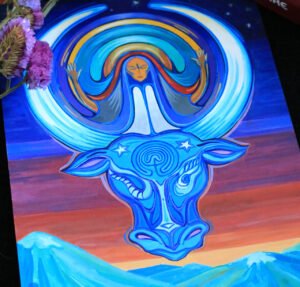
bull and goddess illustration symbolizing lunar power and divine moon energy in myth and ritual


Horns in Ancient Greek and Roman cultures

Let’s not overlook ancient Greek and Roman cultures. Dionysus and Pan embody the wild and fertile side of nature, while Pluto’s “Horn of Amalthea”, symbolizes wealth and abundance, fitting for a god. Zeus once appeared before the beautiful Europa in the form of a white bull to abduct her.

In Ancient Rome, during taurobolium (bull sacrifice rites), initiates were soaked with bull’s blood, symbolizing the flow of life. Similar symbolism of blossoming and vitality was adopted in ancient Indo-Iranian myths.

Zodiac sign – Taurus

The Taurus zodiac sign, symbolized by the Bull, draws upon the cultural significance of horns, representing strength and protection. These traits mirror Taurus’s characteristics of determination and resilience, while also signifying abundance and spiritual connection, defining the essence of this steadfast sign.

Rituals and ceremonies

The most dangerous of all domestic animals, the bull has served as both an object of worship and competition since ancient times. Its strength has been a measure for many legendary heroes (such as Heracles) and Minoan acrobats who performed somersaults using the sharp horns of bulls as support.

Bulls were sacrificed in ritual sacred festivals in honor of the Sun god Mithras, believing that their blood symbolized the source of life and symbol of the Spring. Later the symbolism associated with the bull, representing death and rebirth, spread widely.

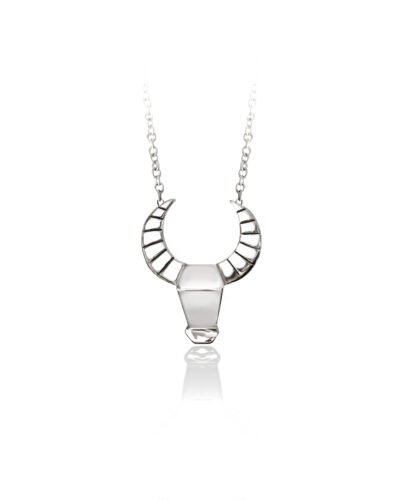
Handcrafted silver Carabao necklace – a modern talisman inspired by ancestral Filipino symbols of power and resilience

Carabao symbolism

One great example of a horned animal represented in culture is the water buffalo, also known as the “carabao“.

The Carabao buffalo indeed holds significant cultural symbolism in the Philippines, representing strength, resilience, and hard work, and it’s deeply intertwined with the nation’s identity and heritage.

In a country where nature plays a vital role in daily life, the Carabao Buffalo symbolizes a harmonious relationship between humans and the environment. Beyond its practical uses, the Carabao Buffalo is deeply woven into Philippine folklore. Folktales often portray the Carabao as a mystical creature, associated with fertility, nature, creative energy, and earth magic.

The Carabao Buffalo’s symbolism in Philippine culture is a testament to the nation’s connection with nature and the resilience of its people.

Related Products

  • Handcrafted silver Carabao necklace – symbolic Filipino water buffalo pendant honoring strength, resilience, and earth energy.

    Carabao

    169,00
  • Gold-plated Carabao pendant necklace – handcrafted Filipino water buffalo symbol of strength, resilience, and earth energy

    Carabao Gold

    185,00

OUR NEWSLETTER

Subscribe to our newsletter and get 10% off your next purchase!

Horns: Cosmic Symbols of Power and Mystery Read More »

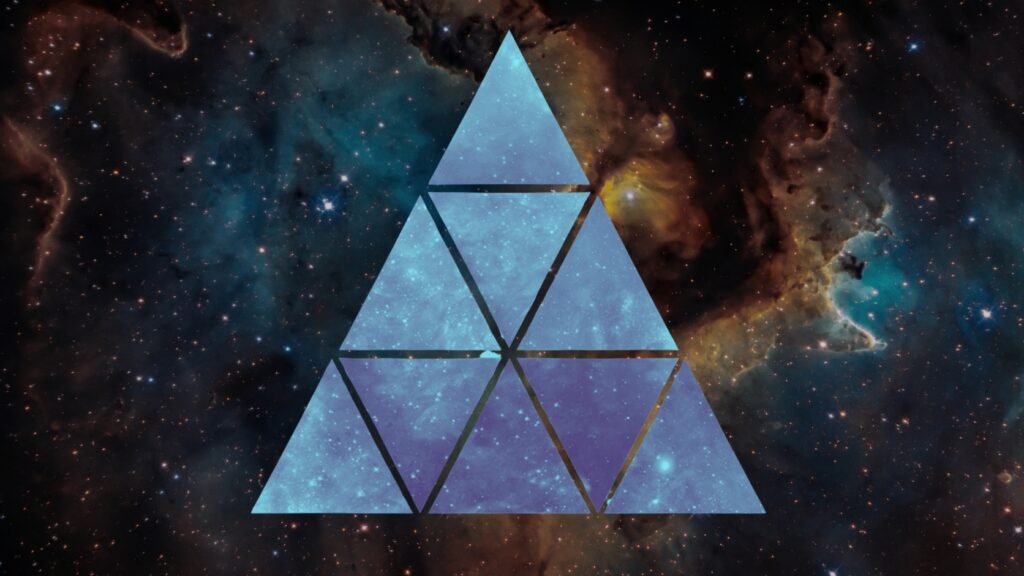
tetractys spiritual meaning symbol explanation

Symbolism & Magic of the Triangle (part 2)

Symbolism & Magic of the Triangle (part 2)

tetractys spiritual meaning symbol explanation

You can read the first part of the Symbolism & Magic of the Triangle here

tetractys ancient symbol what represents

Tetractys

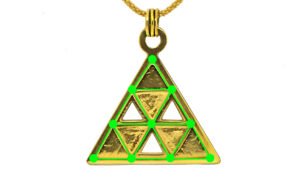
The Tetractys is a figure made up of ten points arranged in four rows, with one point in the first row, two in the second, three in the third, and four in the fourth.

In Ancient Greece, the Tetractys was seen as a symbol of the divine and was associated with the Pythagorean philosophy. The first row represented the Monad, the divine source of all things, while the second row symbolized the Dyad, which represented the contrast and duality of the universe. The third row represented the Triad, which represented harmony and balance, and the fourth row represented the Tetrad, which symbolized the four elements (earth, air, fire, and water) and the four seasons.

The Tetractys was also used as a symbol of the mystical and spiritual in various mystery schools and secret societies. In these groups, the Tetractys was seen as a symbol of creation and the power of the divine in the universe. It was also seen as a symbol of the human soul’s journey towards enlightenment.

In the Pythagorean tradition, the Tetractys was also used as a symbol of the musical harmony of the universe. In this case each row was associated with a musical interval.

In some spiritual traditions, the Tetractys has also been associated with the elements of nature (fire, air, water, earth) and the four directions (east, north, west, south).

alchemy triangle symbols water fire air earth explained

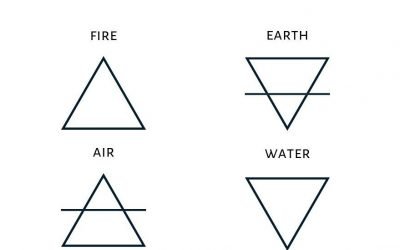
Four element symbols of Alchemy

Alchemy is an ancient and esoteric practice that seeks to transform base metals into gold and find the elixir of eternal life. Alchemists believed that everything in the universe was made up of a combination of the four classical elements: fire, air, water, and earth. Each of these elements was associated with specific qualities and properties.

Fire: Upward-pointing triangle. It was associated with the transformative and purifying power of heat and was believed to represent the spirit. It was also associated with passion, creativity, and the force of will.

Air: Upward-pointing triangle with a horizontal line through the center. It was associated with the power of breath and was believed to represent the intellect or mind. Air was also associated with communication, clarity, and the power of thought.

Water: Downward-pointing triangle. It was associated with the power of flow and movement and was believed to represent the emotions and the subconscious. Water was also associated with purification, cleansing, and the power of intuition.

Earth: Downward-pointing triangle with a horizontal line through the center. It was associated with the power of stability and grounding and was believed to represent the physical body and material world. Earth was also associated with fertility, growth, and the power of manifestation.

Alchemists believed that by understanding and manipulating the properties of these elements, they could unlock the secrets of the universe and achieve the transformation of base matter into gold and the elixir of eternal life. They believed that these symbols represented the spiritual and material forces at work in the universe and could be harnessed and combined to create powerful and transformative effects.

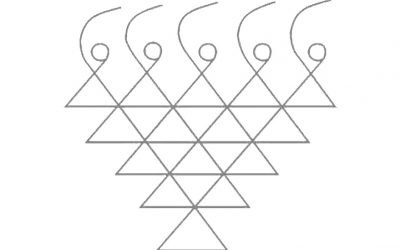
Saraswati Yantra sacred energy symbol

Saraswati Yantra


Saraswati Yantra is a powerful symbol in Hinduism that is associated with Saraswati, the goddess of knowledge, learning, music, and the arts. The Yantra is a sacred geometrical design that is used for meditation, contemplation, and spiritual practices, and it is believed to represent the divine energy of the goddess Saraswati.

The symbol consists of a series of triangles that symbolise aspects of the divine feminine: creation, preservation and destruction.

The Saraswati Yantra is believed to have many benefits for those who use it for meditation and spiritual practices. It is said to enhance creativity, wisdom, and knowledge, and it can help to improve communication skills, memory, and concentration. It is also believed to provide protection from negative energies and promote spiritual growth and enlightenment.


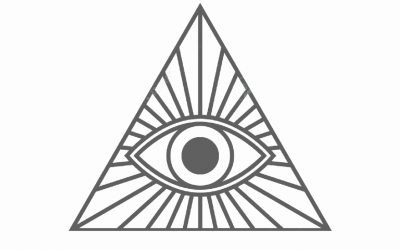
All seeing eye symbol the eye of providence

The Eye of Providence

The Eye of Providence, (aka all-seeing eye) is a symbol that is often associated with God, divine providence, and spiritual illumination. It is depicted as an eye enclosed in a triangle and surrounded by rays of light.

All-seeing eye is commonly seen in religious and spiritual contexts, as well as in art, architecture, and popular culture.

The Eye of Providence is most commonly associated with Christianity and Freemasonry.

In Christianity, the symbol is often used to represent God’s watchful and protective gaze over humanity. It is also associated with the Holy Trinity, where the eye represents God the Father, rays of light – the Holy Spirit, triangle – Jesus Christ.

In Freemasonry, the Eye of Providence is used as a symbol of the divine presence, and the obligation to be ever watchful of the actions and behaviour. It is often depicted above a pyramid, which represents the building of a perfect society and the attainment of spiritual enlightenment.

This symbol has also been used in popular culture, appearing in movies, TV shows, and even on the US one-dollar bill. In these contexts, the symbol is often associated with conspiracy theories and secret societies, which has led to its use in many fictional works.

Related Products

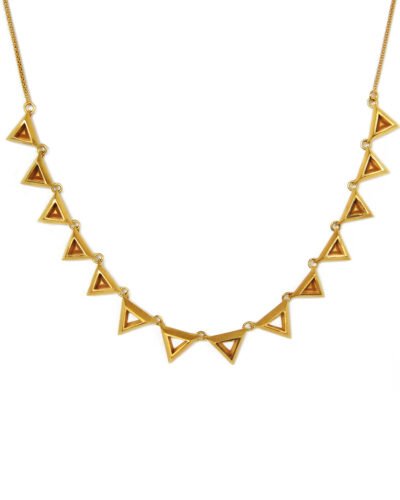
  • geometric architectural minimalist triangle silver statement earrings

    Delta Earrings

    125,00
  • geometric architectural minimalist triangle gold statement earrings
  • geometric architectural minimalist triangle gold statement necklace
  • Handcrafted vermeil gold Pintadera pendant, inspired by pre-Hispanic Canarian geometric stamps — timeless cultural emblem in luminous finish

    Pintadera gold

    175,00
  • Artisan silver Pintadera pendant, inspired by ancient Canarian geometric symbols — handcrafted statement of mystery and cultural heritage.

    Pintadera silver

    169,00

OUR NEWSLETTER

Subscribe to our newsletter and get 10% off your next purchase!

Symbolism & Magic of the Triangle (part 2) Read More »

triangle is as a symbol of strength and stability

Symbolism & Magic of the Triangle (part 1)

Symbolism & Magic of the Triangle (part 1)

What do triangles symbolise?

Triangle is one of the most versatile and ubiquitous symbols in art

Triangle is one of the most powerful and versatile symbols, the first of the figures that defines the plane. In sacred geometry, the shape of an equilateral triangle is a symbolic image of God. The equilateral triangle symbolizes completion.

The triangle pointing upwards is a male sign, symbolizing fire, life, heart, mountain and ascent, prosperity, harmony, flame, spiritual world. 

The inverted triangle is perhaps a more ancient sign, it is lunar and has the symbolism of the feminine, water, cold, nature.

Triangle is one of the most versatile and ubiquitous symbols in art and have been used by many cultures throughout history. The triangle has been utilized to convey a variety of meanings and has been incorporated into numerous forms of ancient art.

One of the most common interpretations of the triangle is as a symbol of strength and stability (because of its solid base and pointed top). This interpretation is evident in the ancient Egyptian pyramids, which were built in the form of triangles that conveys a sense of permanence and order.

Egyptian pyramids represent triangles that convey a sense of permanence and order

Another ancient civilization that utilized the triangle as a symbol was the Mayans. The Mayans utilized triangles in their writing system, and they also incorporated triangular shapes into their sculptures, pottery, and other forms of art. Triangles were used to represent the cycles of the sun, moon, and stars and were believed to be a source of power and protection.

The Mayans utilized triangles in their writing system, pottery, sculptures and art

In ancient Greece, the triangle was utilized as a symbol of the gods and was often incorporated into sculptures and other forms of art. In particular, the triangle was used as a symbol of the goddess Athena, who was associated with wisdom, courage, and justice. The triangle was also incorporated into the design of Greek temples and other structures.

In ancient Greece the triangle was used as a symbol of the goddess Athena


In Hinduism, the triangle is used as a symbol of the divine trinity and represents the three aspects of the divine: creation, preservation, and destruction. Triangles are often incorporated into Hindu mandalas, which are used for meditation and prayer. The triangle is used to represent the connection between the individual and the divine, and it serves as a reminder of the unity and interconnectivity of all things.


Sri Yantra sacred geometry that consists of interlocking triangles

Another popular interpretation of the triangle is that it represents the holy trinity. This is a common symbol in Christianity, where the triangle is used to represent the three parts of God – the Father, Son, and Holy Spirit.


In Christianity the triangle is used to represent the three parts of God – the Father, Son, and Holy Spirit


In addition to balance and the holy trinity, the triangle is also used to represent change and transformation. This is because the shape of a triangle can be easily transformed into other shapes, such as a square or a circle, through the addition or removal of lines.

The triangle has been used to represent the cycles of the universe, the strength and stability, the divine trinity, and the connection between the individual and the divine. These ancient symbols continue to be relevant today, serving as a reminder of the rich cultural heritage of civilizations and offering insight into the beliefs and values of the cultures that created them.


Overall, the triangle is a versatile and meaningful symbol that has been used by many cultures and religions throughout history. What does the triangle mean to you?


triangle is as a symbol of strength and stability

Related Products

  • geometric architectural minimalist triangle silver statement earrings

    Delta Earrings

    125,00
  • geometric architectural minimalist triangle gold statement earrings
  • geometric architectural minimalist triangle gold statement necklace
  • Handcrafted vermeil gold Pintadera pendant, inspired by pre-Hispanic Canarian geometric stamps — timeless cultural emblem in luminous finish

    Pintadera gold

    175,00
  • Artisan silver Pintadera pendant, inspired by ancient Canarian geometric symbols — handcrafted statement of mystery and cultural heritage.

    Pintadera silver

    169,00

OUR NEWSLETTER

Subscribe to our newsletter and get 10% off your next purchase!

Symbolism & Magic of the Triangle (part 1) Read More »
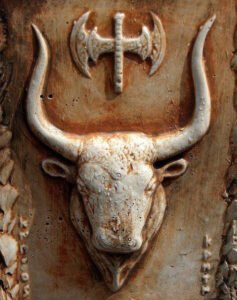
Close-up of satyr silver ring — exploring the duality of wildness and wisdom in ancient lore

Satyr, Pan & Faun: Trickster, Dionysus follower or Wise spirit?

Satyr, Pan & Faun

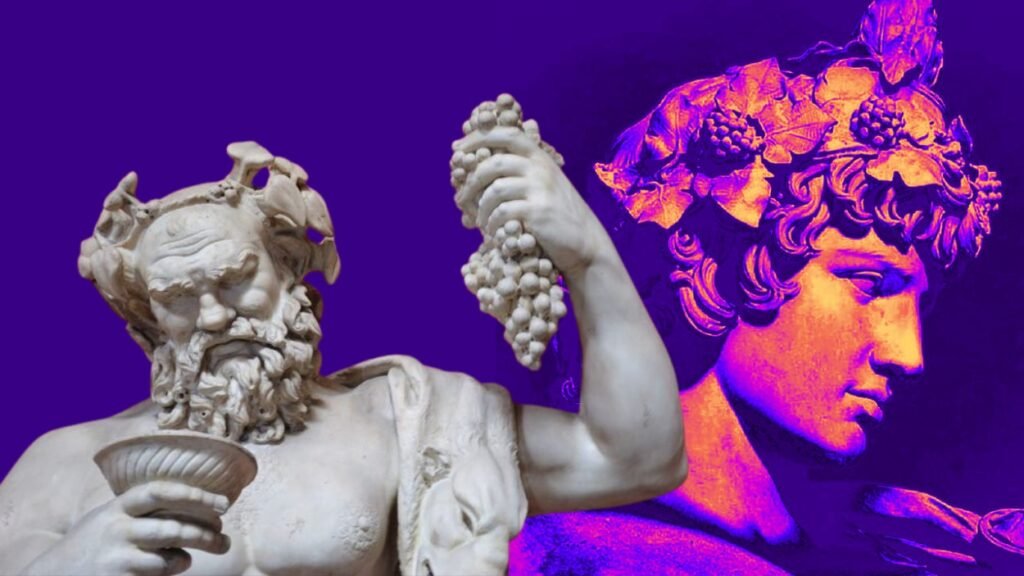
Classical artwork of Faun with grapes and ivy — follower of Dionysus representing sensuality, revelry, and instinct

Merriam-Webster dictionary:

Satyr a sylvan deity in Greek mythology having certain characteristics of a horse or goat and fond of Dionysian revelry.

I’ve always been a huge admirer and lover of Greek mythology, of gods and deities, heroes and legendary creatures.

So I came up with the idea of this Satyr ring a long time ago, because I’ve been fascinated by the complex nature of this spirit. Just imagine this human-animal hybrid, a wise spirit, sensual woodland creature and dancer! I think they’re pretty cool. And of course I absolutely love the way satyrs embody the power of nature in all its splendour, with all its bright and dark sides. So, let’s take a closer look at these characters and see what makes them so much fun.

What are satyrs?

Illustration of satyr dancing in the forest — mythological woodland spirit embodying freedom, desire, and chaos

A woodland creature depicted as having a human torso, goat legs and tail, pointed ears, horns and beards. They were a race of fertility spirits of the countryside and wilderness. As companions of Dionysus they were usually shown drinking, dancing and playing flutes and chasing the nymphs. In a broader sense, the satyr symbolizes the duality of human nature, consisting of emotions and reason.

Satyrs are also known to be tricksters, prophets and wisdom keepers, all at the same time! And on the other hand, they were sensual creatures free of any prohibitions, moral and social norms. So usually satyrs had no moral or social aspect whatsoever, and were simply the embodiment of pure, basic instinct. They were the very opposite to urbanity and civilization itself. But over the course of Greek history, satyrs gradually became portrayed as more human and less wild.

The enduring appeal of Satyr lies in his duality – he is both wild and civilized, both mischievous and protective, both lover and fighters. He embodies the primal, untamed power of nature while also exhibiting human-like traits such as music, dance, and wine-making.

What do we know about Pan?

Ancient drawing of Pan playing pipes — symbol of nature, music, and Dionysian mystery in Greek mythology

Now, let’s talk about Pan. The parentage of Pan is unclear; generally he is the son of Hermes and a nymph. Plato also called him ¨the double-natured son of Hermes¨. He’s often depicted as having the body of a man and the legs, horns, and ears of a goat, and he’s known for his wild, unkempt appearance. With his homeland in rustic Arcadia, Pan was recognized as the god of shepherds, hunters, the flocks, the mountain forests and meadows.

Despite his wild spirit, Pan was also seen as protector of nature. He was said to be fierce defender of the forests and the creatures that lived within them, and would often punish those who harmed the natural world or its inhabitants.

This mischievous god is the protector of the wild, and he loves nothing more than playing his pan flute (a musical instrument consisting of multiple wooden pipes of gradually increasing length) and causing chaos. Pan is also incredibly vain, and he loves to play practical jokes on other gods and mortals.

His name is the root word of “panic“. The Greeks believed that when accidentally awakened from his nap he could give a great terrifying shout. From this aspect of Pan‘s nature, Greek authors derived the word “panikos“,  “sudden fear”.

Faun vs. Satyr. What is the difference?

The Romans identified satyrs with their native nature spirits, fauns. It is derived from Faunus, the name of an ancient Italic deity of forests, fields, and herds, who from the 2nd century BCE was associated with the Greek god Pan.

But the main difference between them was their behaviour and nature. Fauns were described as humble, gentle and innocent with handsome and attractive appearance. Satyrs, as we know, were the exact opposite. Fauns are known to be naïve and foolish. On the other hand, satyrs are wise and have great knowledge as well.

Today, Fauns continue to capture the imagination of artists, writers, and filmmakers around the world. They are a reminder of the enduring power of myth and the timeless appeal of creatures that straddle the line between the human and the divine.

Related Products

OUR NEWSLETTER

Subscribe to our newsletter and get 10% off your next purchase!

Satyr, Pan & Faun: Trickster, Dionysus follower or Wise spirit? Read More »

lost wax casting step by step blog

Lost-wax casting: Everything you need to know

Lost-wax casting: Everything you need to know

lost-wax technique in jewelry

What is the purpose of lost-wax casting?

At Mayari jewelry, one of the methods we use to create jewelry is called lost-wax casting* (aka “cire perdue”). *also it is presently used interchangeably with investment casting

It is an ancient process (and we do respect jewelry making traditions) that casts a metal sculpture from an original sculpture made of wax. The lost-wax method has been used since 3000 B.C. (and it has sustained few changes since then) to capture the stories of ancient cultures and religions throughout history. Isn’t it fascinating?

The casting process for lost wax casting involves multiple steps that begin with the creation of the pattern, or master, from wax (and then sterling silver). Thanks to the lost-wax method we can recreate all parts of our designs with precision.

Our process of jewelry making
inspiration – idea – sketches – more sketches – wax carving – wax mold fabrication – casting – polishing

Major steps of the lost-wax process

Creating a prototype

1. Detailed freehand sketches on paper (top/ side/ front views & 3D)  and all the measurements for the final design.

2. A well-detailed wax model of the figure is created. And our model is now ready for casting!

3. Later the wax is assembled on a runner system (¨tree¨).

4. Then investment plaster is poured into the cylinder and over the wax model.

5. The flask is heated in a kiln. The wax is melted out and forms a cavity where the metal flows in.

6. The silver grain is placed into the crucible to melt. 

7. Molten silver (or any other metal) is then poured into the cavity. The flask is now filled with silver.

8. Then we dissolve the investment plaster.

9. The parts are cut from the ‘tree’.

10. The silver model is then filed and buffed to remove scratches.

Making a rubber mold

1. And now we are ready to create a vulcanized silicone rubber mould around the silver prototype. Modern synthetic rubbers have been developed to capture very fine details of a model.

2. We attach the sprue to the heaviest part of the prototype and then put it in a suitable mold frame.

3. Now it’s time to start packing the mold with layers of rubber. And when it’s done the mold is vulcanized in a machine that modifies rubber with heat and pressure.

4. The mold is cut into two halves, allowing the model to be removed.

5. Now we are ready to recreate the prototype. Hooray!

OUR NEWSLETTER

Subscribe to our newsletter and get 10% off your next purchase!

Lost-wax casting: Everything you need to know Read More »

Shopping Cart
Scroll to Top